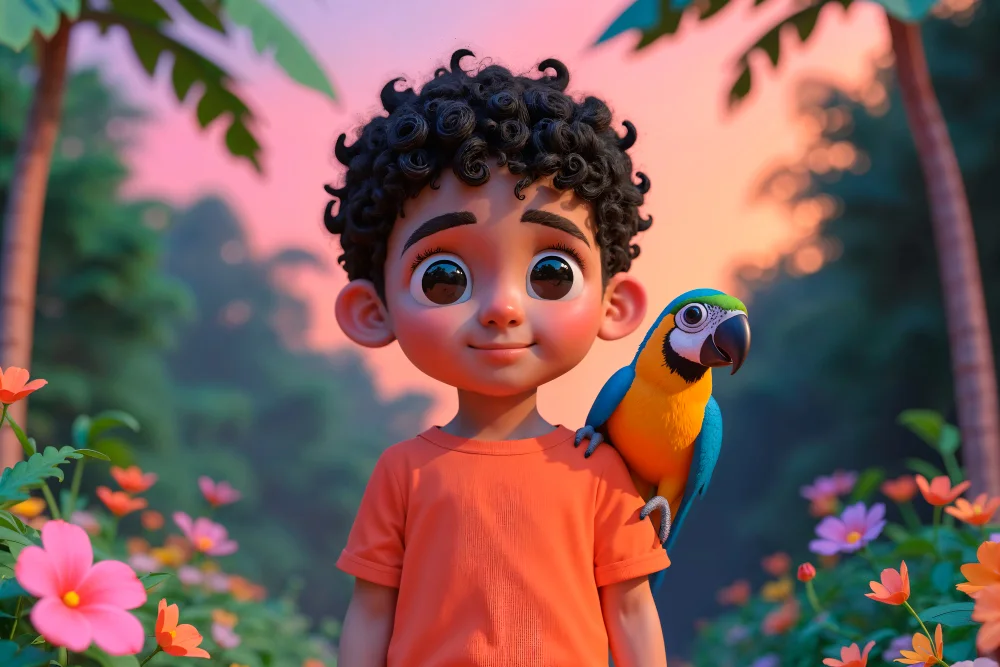
3D animation is everywhere: movies, OTT shows, gaming, advertising, architecture, product visualization, and even social media content. Characters dance, creatures roar, worlds explode, and implausible stories come to life through the art of 3D. If you’ve ever watched an animated scene and thought, “How did they make that?”, this guide is your perfect starting point.
Whether you’re dreaming of joining a major studio or simply exploring a new creative passion, this beginner’s roadmap will help you understand what 3D animation truly is, how it works, which skills you need, and the smartest way to start learning today.
What Is 3D Animation?
3D animation is the process of creating moving images in a three-dimensional digital environment. Unlike 2D animation, that relies on drawings, 3D animation builds models, rigs them, lights scenes, and uses virtual cameras to simulate real-world cinematography.
Everything is created inside a computer, using specialized tools, but the craft itself blends art, physics, storytelling, and technology.
3D isn’t just cartoons. It includes:
- Animated films
- VFX for live-action movies
- Game cinematics
- Product animations
- Architectural walkthroughs
- Explainer videos
- Motion graphics
- Scientific and medical visuals
If something moves and looks 3D, an animator built it.
How 3D Animation Actually Works
Even though 3D animation seems complex, the process follows a clear production pipeline. Understanding it helps beginners see where they fit and which skills to focus on first.
1. Concept & Story
Everything begins with an idea. A short story, a character, a scene, anything worth bringing to life. Beginners often skip this step, but professionals know it’s the backbone of great work.
2. Modeling
Once the idea is ready, 3D artists create digital models. These include:
- Characters
- Objects
- Props
- Creatures
- Sets
- Vehicles
- Environments
Modeling is similar to digital sculpting. You shape polygons until they form the character or object you imagined.
3. Texturing
Textures give models their surface details, skin, metal, cloth, stone, glass, fur, and wood. This makes a huge difference in realism.
Texturing tools add:
- Color
- Roughness
- Patterns
- Bumps
- Scratches
- Fabric weave
- Skin pores
A plain model becomes believable after texturing.
4. Rigging
Rigging creates the “skeleton” for characters and objects so they can move. Imagine building bones, joints, controllers, and muscles for your animated hero. It’s technical but satisfying. Good rigging enables smooth, expressive motion.
5. Animation
This is where the magic happens. Animators bring characters to life by making them walk, run, act, react, talk, laugh, jump, or fight. They study body mechanics, timing, and emotions to create convincing performances.
There are several types of animation:
- Character animation
- Creature animation
- Facial animation
- Mechanical/prop animation
- Motion capture cleanup
Animation is storytelling in motion.
6. Lighting
Lighting sets the mood, emotion, and cinematic style of the scene. Realistic lighting can turn an average shot into a stunning one. From soft dramatic lighting to HDRI-based environments, lighting is a crucial part of the final look.
7. Rendering
Rendering is the process of generating the final image or video. It converts models, animation, textures, and lights into the final output. This is where the computer sweats.
8. Compositing
Finally, compositors enhance the rendered footage by:
- Adding effects
- Balancing colors
- Fixing imperfections
- Integrating 3D with live-action
- Layering passes
The final frame becomes polished, cinematic, and production-ready.
Why 3D Animation Is a Fantastic Career Choice
3D animation isn’t just creatively fulfilling, it’s one of the fastest-growing industries worldwide. Films, gaming, advertising, AR, VR, and digital content are booming, and studios constantly seek skilled 3D artists.
High Demand Across Industries
You can work in:
- Film studios
- Gaming companies
- VFX houses
- Advertising agencies
- Design studios
- Architecture & product firms
- Freelancing & global projects
Endless Specializations
Once you start, you can choose what you love most:
- 3D Generalist
- Character Animator
- Modeling Artist
- Rigging Artist
- Lighting Artist
- FX Artist
- Texturing/Surfacing Artist
- Layout Artist
- Previsualization Artist
- Game Animator
It’s an industry full of creative freedom and endless niche options.
What Skills You Actually Need (Beginner-Friendly)
You don’t need to be a top artist or genius programmer to start. You just need curiosity, patience, and the willingness to practice consistently.
Here are the essential beginner skills:
1. Basic Art Sense
Not classical drawing, but understanding shapes, color, balance, and proportion.
2. Observation Skills
Notice how people move, how animals behave, how cloth flows, how light hits surfaces.
3. Creativity
Your imagination fuels your scenes.
4. Patience
3D is built step by step. Slow progress = strong skills.
5. Software Skills
Start with beginner-friendly tools like Blender, then move to industry tools like Maya or Houdini later.
Best Software for Beginners
If you’re just starting, these are the top tools to explore:
- Blender — Perfect for beginners learning the complete 3D pipeline. It’s free, powerful, and widely used.
- Maya — The industry standard for character animation and professional production.
- ZBrush — The best tool for sculpting characters and creatures.
- Substance Painter — For advanced texturing and material creation.
- Unreal Engine — For real-time rendering, virtual production, and cinematic scenes.
Beginner Roadmap: How to Start 3D Animation Today
To avoid feeling overwhelmed, follow this practical step-by-step plan:
Step 1: Learn the Basics of 3D
Start with simple tutorials, navigation, modeling basics, viewport, and interface.
Step 2: Model Simple Objects
Cubes, chairs, cups, rooms, props, and practice make you comfortable with shape building.
Step 3: Learn Basic Animation
Animate a bouncing ball, a bouncing cube, and simple camera movement. These build your foundation.
Step 4: Move to Character Basics
Start with walk cycles, idle animations, and acting shots.
Step 5: Join a Structured Course
A guided program accelerates your growth with mentorship, practice, and industry techniques.
Step 6: Build Your Portfolio
Create a strong demo reel with your best shots. This is what gets you hired.
Step 7: Apply for Internships or Freelance Work
Real-world experience sharpens your skills faster than anything else.
Common Beginner Mistakes to Avoid
1. Learning Too Many Tools at Once
Stick to one. Master basics first.
2. Giving Up After Difficult Lessons
3D feels complex at the start; everyone struggles. Keep going.
3. Avoiding Practice
Skill comes from repetition, not watching tutorials.
4. Not Studying Real Life
Animation is grounded in reality; even fantasy creatures follow real physics.
Why Now Is the Best Time to Learn 3D Animation
With global content consumption at its peak, OTT platforms booming, ads growing, gaming exploding, and AI tools accelerating workflows, 3D animation is more in demand than ever. You’re entering the industry at a perfect time, tools are accessible, learning resources are abundant, and studios want fresh talent with modern skills. The only thing missing? You.
Final Thoughts
3D animation may look intimidating, but once you break it into steps, the path becomes exciting, structured, and incredibly rewarding. It’s a craft where your imagination becomes your superpower, and your skills open doors to some of the most creative industries in the world.
If you’re passionate about storytelling, characters, visuals, and creativity, 3D animation is not just a career; it’s a universe waiting for you to explore.
Start small. Stay consistent. Create boldly. Your journey into 3D begins today.